
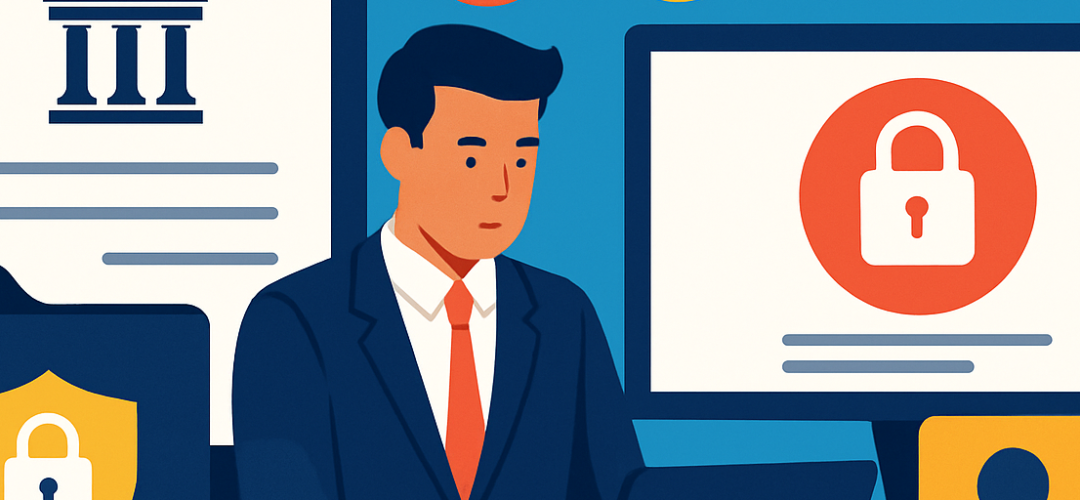
As an executor managing a loved one’s estate in the UK, navigating the probate process involves numerous responsibilities, including addressing digital privacy concerns. With the increasing digitisation of personal assets and sensitive information, it’s crucial to manage digital confidentiality with care. This guide will help you understand key aspects of managing estates involving digital privacy concerns, ensuring that you protect the confidentiality of the deceased while effectively executing your duties.
Understanding Digital Assets and Privacy in Probate
In today’s digital age, digital assets are becoming an increasingly commonplace consideration in estate administration. These assets can include a wide range of online properties such as social media accounts, digital currencies, and cloud storage. It’s critical for executors to understand the significance of these assets as they may hold both sentimental and financial value.
Recent statistics indicate that over 65% of UK adults have some form of online presence, making it essential to include digital assets in estate planning. Protecting these digital assets involves ensuring that their value is realised without breaching any privacy laws. The Data Protection Act 2018 and GDPR regulations provide a framework for managing digital privacy, but they also impose responsibilities on executors to handle personal data with care.
To simplify the process, consider using resources like our probate efficiency tools and probate guides available at Probate Tips & Free Advice. These resources can provide you with a comprehensive understanding of executor duties and the digital privacy landscape.
Securing and Managing Digital Assets
The first step in managing digital assets during probate is to identify all existing digital accounts and assets. This will involve a thorough examination of the deceased’s electronic devices, emails, and physical documents for any mentions of digital accounts or assets. Once identified, it’s essential to take steps to secure them immediately to prevent unauthorised access.
Here are key steps to securing digital assets:
- Change Passwords: Update passwords on all devices and accounts to prevent any unauthorised access.
- Identify Key Accounts: Focus on financial accounts, online marketplaces, and cloud storage services.
- Contact Service Providers: Reach out to service providers to notify them of the account holder’s death and inquire about any specific protocols they have in place.
- Preserve Data: Make backups of important data stored on digital devices or accounts to ensure no critical information is lost.
For more detailed advice on managing digital estates, exploring our resources on cryptocurrency estates can be particularly beneficial for executors of tech-savvy decedents.
Legal Considerations for Digital Privacy
The legal landscape surrounding digital assets and privacy is complex and continually evolving. Executors must comply with relevant legal requirements while respecting the privacy and confidentiality of the deceased. This involves understanding the terms of service agreements of different digital platforms, which often dictate how accounts can be handled posthumously.
Failure to adhere to these legal requirements could result in litigation or the loss of valuable estate assets. Executors should thus consider seeking legal advice or using probate consultation services offered by Probate Tips & Free Advice to navigate these challenges effectively.
Furthermore, you may find it beneficial to explore our information on inheritance tax implications regarding digital assets, as this can influence the overall value assessment of the estate.
Best Practices for Protecting Confidentiality
Protecting the deceased’s confidentiality is paramount. Here are some best practices to keep in mind:
- Minimise Data Sharing: Only share sensitive information with parties who absolutely need it, such as legal advisors or relevant financial institutions.
- Beware of Scams: Be vigilant against phishing scams and requests for personal information that might be fraudulent.
- Secure Physical Devices: Ensure that computers, smartphones, and tablets are physically secured to prevent access by unauthorised individuals.
- Seek Professional Help: Engage with probate specialists who offer fixed-fee probate services to ensure you are compliant with all legal obligations while protecting the estate’s confidentiality.
For more detailed guidance, you might want to read our guide on handling conflicts that may arise during the process, ensuring a smooth and efficient estate administration.
Utilising Probate Tips & Free Advice Resources
With a multitude of executor responsibilities, navigating the UK probate process can be daunting, especially with the added complexity of digital privacy concerns. At Probate Tips & Free Advice, we are dedicated to providing executors with the support they need to manage estates efficiently and confidently.
Whether you’re looking for probate checklists, DIY probate toolkits, fixed-fee probate quotes, or inheritance tax guidance, our comprehensive suite of services is designed to assist you every step of the way. We also offer online probate resources to help you avoid common probate mistakes and ensure the smooth administration of your loved one’s estate.
By utilising these resources, executors can save time, reduce stress, and protect beneficiaries’ interests, all while adhering to legal requirements and protecting the deceased’s digital privacy.
For further information and support, you can explore more about our services and how we can assist you, ensuring that you are well-equipped to handle even the most complex estates with digital privacy concerns in mind.
Get in Touch
Contact Probate Expert Team today for advice and help
Call us: 0191 603 0221
Visit: Free Probate Advice
